This post may contain affiliate links. If you make a purchase through these links, I may earn a commission at no additional cost to you. Learn more about our affiliate policy.
Being tired of your closet is almost never a quantity problem. (I say this as someone who has tried to solve it with quantity.)
Usually everything in there belongs to the same idea, so no matter how you rearrange it, you keep producing the same outfit in slightly different colors.
The fix is one piece from an idea you’ve never tried, which is exactly what secondhand is for and exactly what a mall can’t sell you.
Here are nine outfits from nine different aesthetics, each built around a single piece that costs about as much as a sandwich.
How to Use Thrifted Fall Outfits to Change Direction
Thrifted fall outfits are the cheapest way to test an aesthetic before you commit to it. One garment, worn with things you already own, tells you in a week whether the direction is actually yours.
Every outfit below follows the same structure. One hero piece from a specific aesthetic, and everything around it from your existing closet. If the hero piece turns out to be wrong, you’re out very little.
Two things to know before you start.
- Test with the anchor, not the accessories, because a moon pendant won’t tell you whether you want to dress whimsigoth. The dress will.
- Give it a full week of real wear, since almost anything feels like a costume the first time and most things stop feeling that way by day three.
Nine Outfits From Nine Different Aesthetics
Pick the one that makes you slightly uncomfortable. That reaction is usually the useful signal.
1. The Dark Floral Midi, Whimsigoth
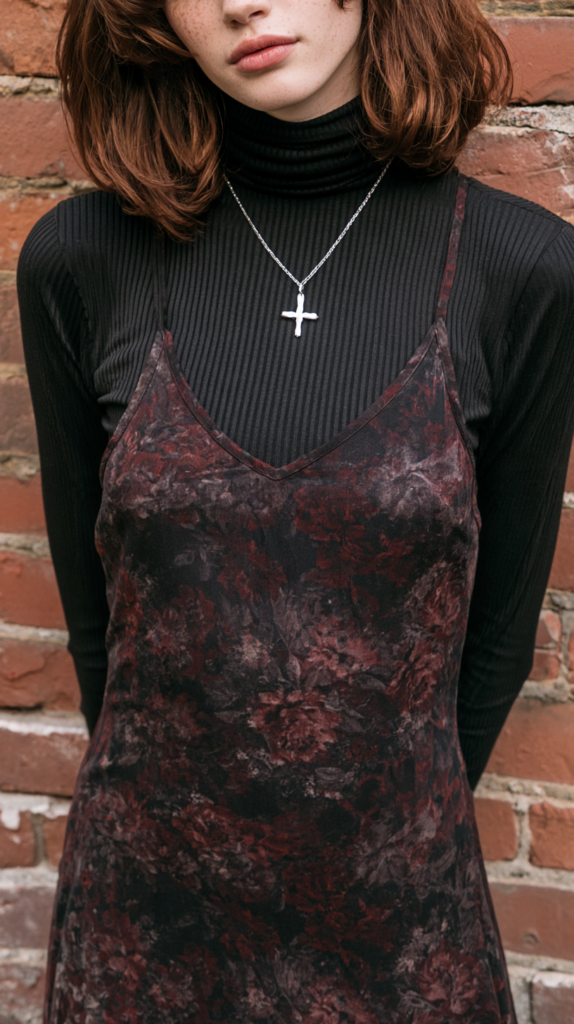
A dark floral midi slip dress worn over a thin black turtleneck with boots.
Layering a turtleneck under a dress is the fastest way to take a summer piece into November, and it’s the move that defines whimsigoth layering in general.
The tell: look for rayon on the tag. It should swing and settle when you let the skirt drop, and in photos it hangs soft where polyester holds its shape.
2. The Tweed Skirt, Academia
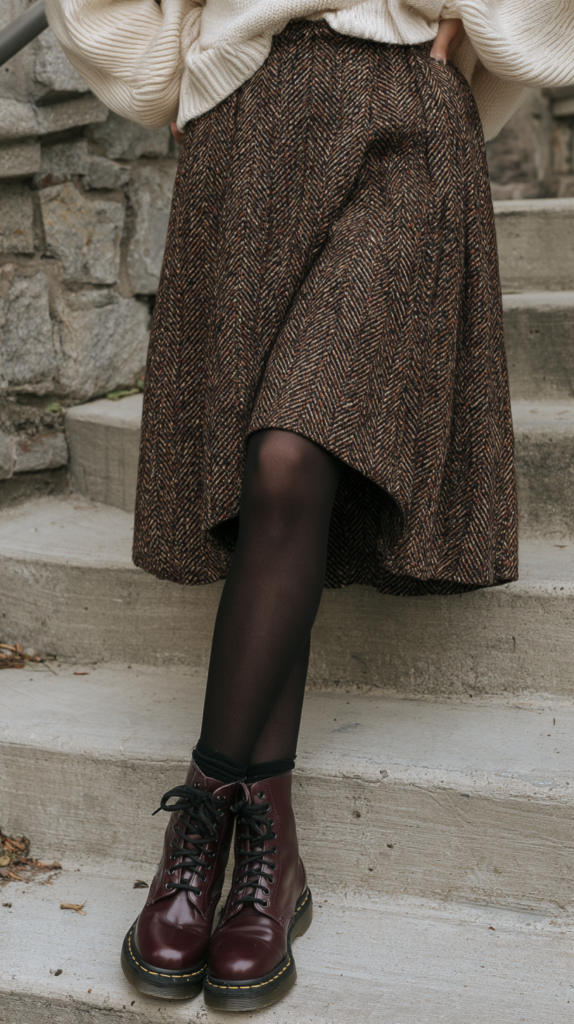
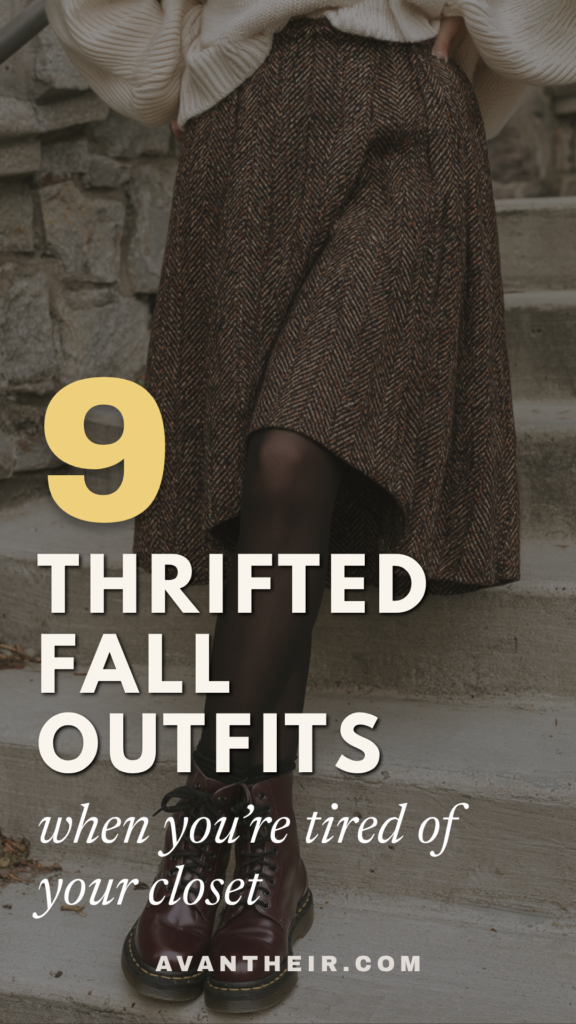
A tweed or herringbone wool midi skirt with a plain knit tucked in and chunky loafers.
The skirt is doing everything. Academia lives in texture more than color, so a tweed bottom with an otherwise plain outfit works immediately.
The tell: real wool tweed is slightly scratchy and holds a crease you can shake out, while poly tweed feels smooth and flat. Online, the content tag settles it.
3. The Puffer Vest, Gorpcore
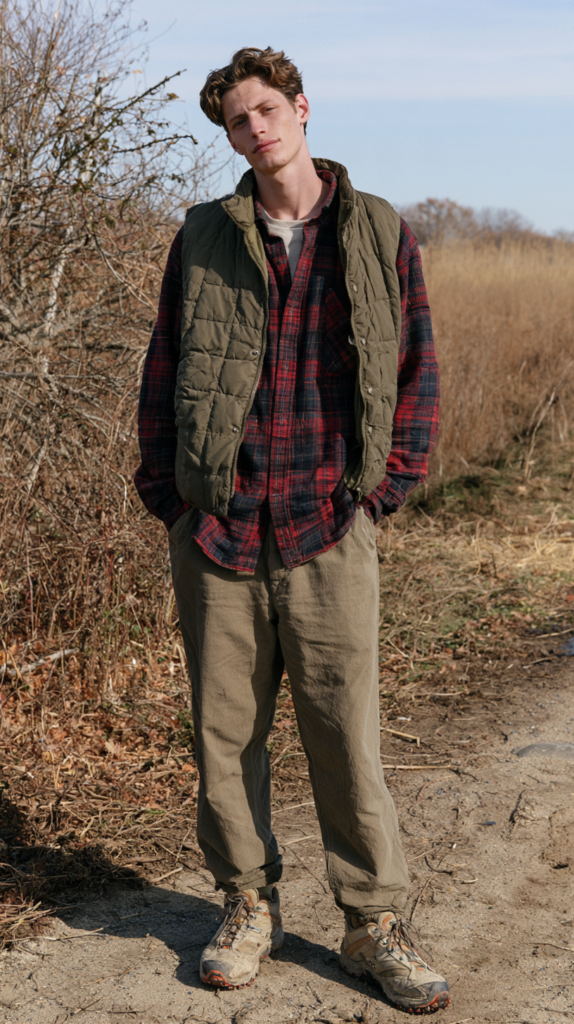
A quilted or down puffer vest over a flannel shirt with any trouser you own.
Vests are the cheapest way into gorpcore because they’re the first thing people decide they don’t need, so they turn up constantly for almost nothing.
The tell: a stated fill power on the interior tag means down. No number usually means synthetic, which is still perfectly wearable and easier to wash.
4. The Cashmere V-Neck, Old Money
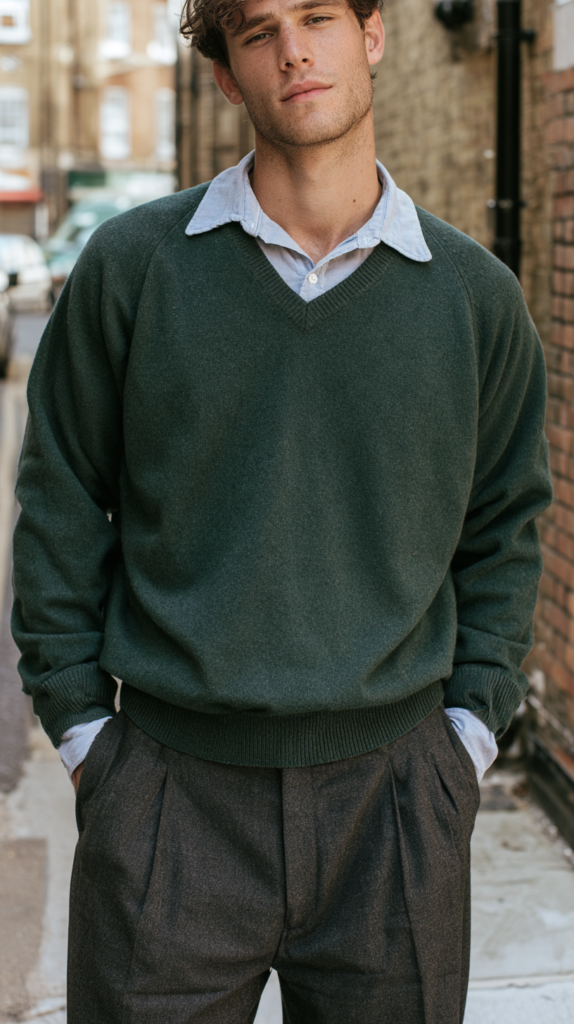
A cashmere v-neck in camel or forest green worn over a collared shirt with the collar out.
The collar showing is the whole trick, and it’s what separates old money from plain knitwear. Tuck the collar in and the outfit disappears.
The tell: read the percentage on the tag, not the word cashmere on the front. A ten percent blend behaves a lot more like acrylic.
From the Avant Heir Closet
One of One
J.Crew Cashmere Cable Knit V-Neck Sweater
Sourced · Inspected · Shipped
5. The Corduroy Pinafore, Cottagecore
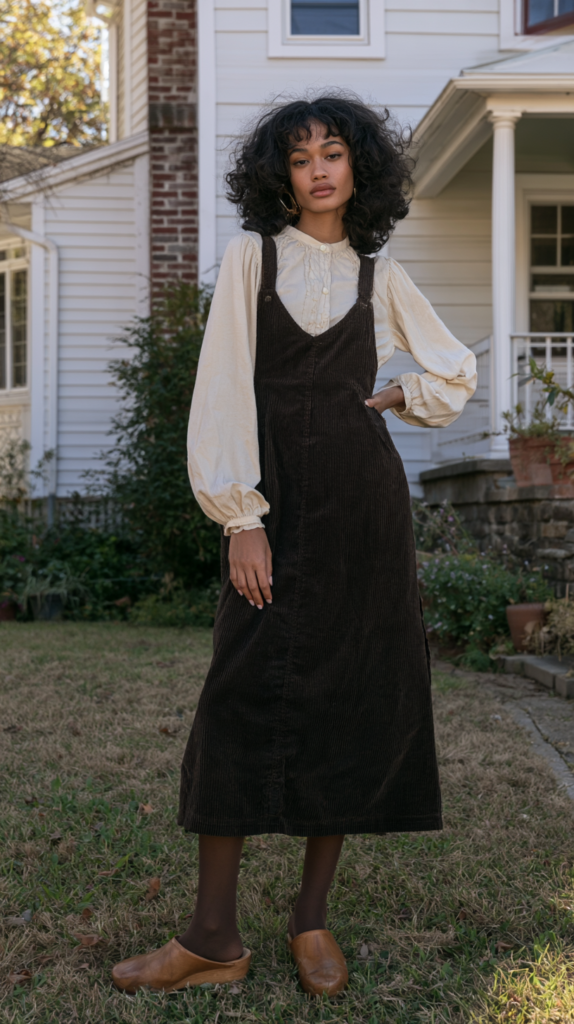
A corduroy pinafore or jumper dress over a long sleeve cotton blouse with tights and flat clogs.
Pinafores are the cottagecore piece that never feels like a costume, because the structure keeps it from tipping toward nightgown.
The tell: wide wale corduroy over pinwale. The heavier rib looks vintage from across a room, shows clearly in photos, and survives a wet hem.
6. The Flannel Tied at the Waist, Grunge
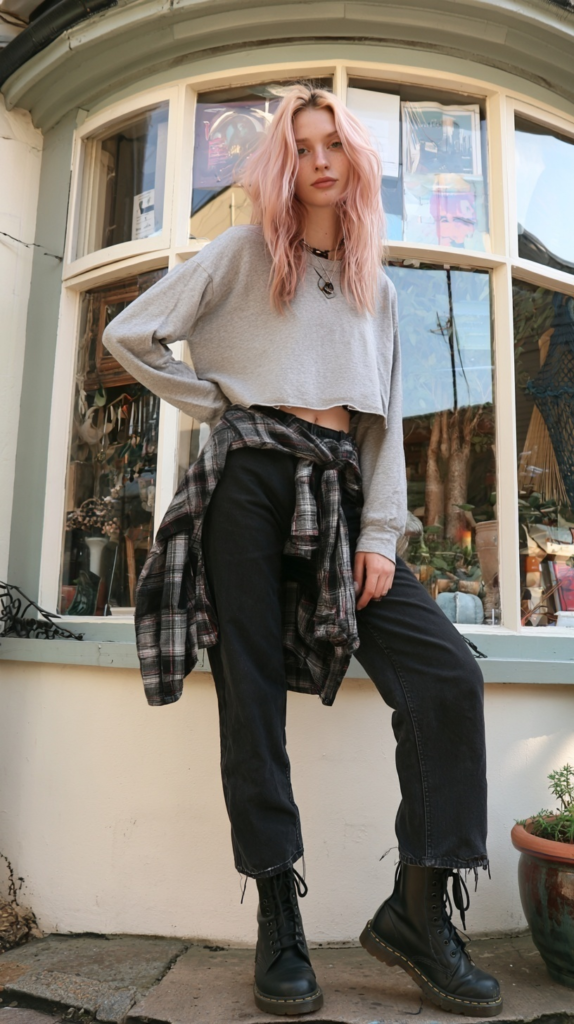
A soft cotton flannel tied at the waist over a long sleeve tee with straight leg dark denim.
Tied at the waist is the difference between grunge and simply wearing a flannel, and it costs nothing to try.
The tell: the collar tells you everything. Flannel collars go truly soft after a decade of washing in a way no factory finish reproduces. In a listing, look for a collar that slumps a little, plus cotton on the tag.
7. The Suede Vest, Boho
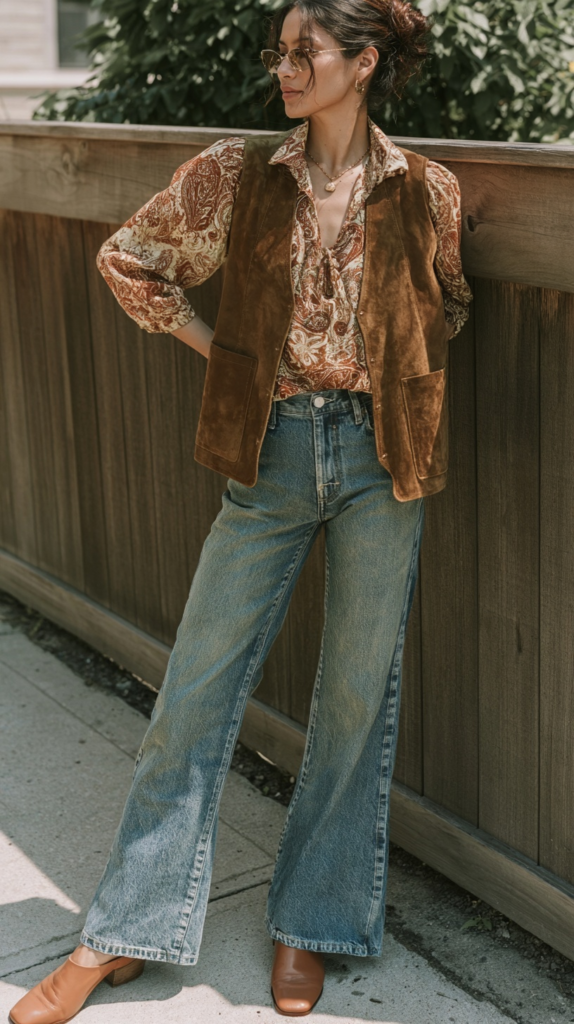
A brown suede vest over a printed blouse with flared jeans.
A vest adds boho texture without the commitment of a fringe jacket, which is the piece most of us buy first and then never wear.
The tell: real suede has a nap that changes direction when you brush it, which shows up in photos as lighter and darker patches. Bonded suede looks uniform, feels faintly plastic, and won’t take conditioner.
8. The Zip Track Jacket, Y2K
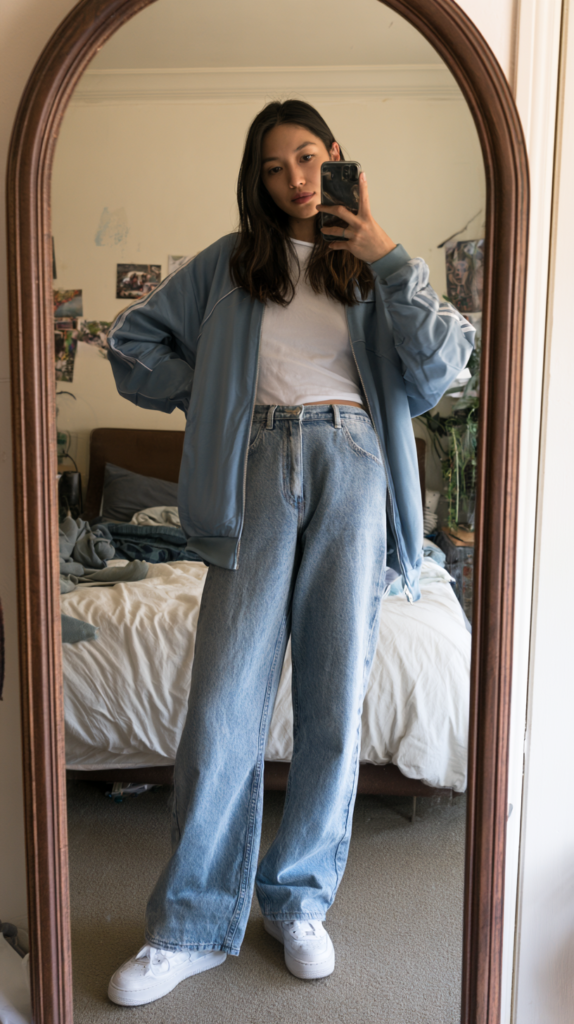
A zip up track jacket over a fitted tee with straight or low rise denim.
Y2K is the one aesthetic where slightly cheap synthetics are correct, which makes it the least expensive direction on this list to test.
The tell: check the zipper pull and the cuff elastic, since both fail before the fabric does on jackets this age. Ask the seller if the zipper runs smoothly.
9. The Pearl Snap, Western
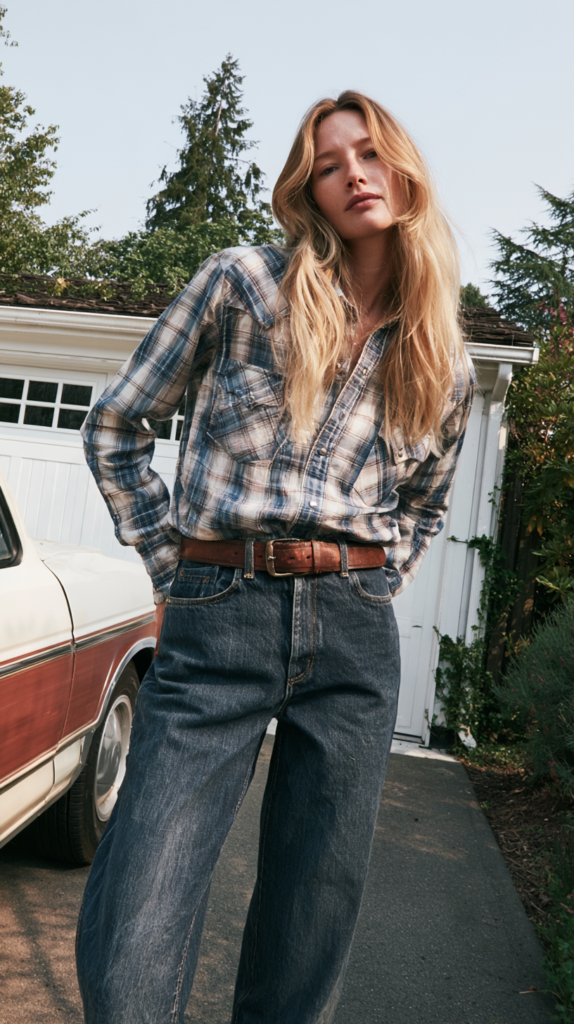
A faded pearl snap shirt worn open or tucked, with denim and brown boots.
Pearl snaps live in men’s shirts and cost almost nothing, and the yoke is what makes western look intentional.
The tell: more faded is better here. A crisp new pearl snap can feel like a costume in a way a worn one never does. Count the snaps in the photos to make sure none are missing.
What to Do With the One That Works
If a piece sticks, resist the urge to buy the whole aesthetic at once. (Ask me how I know.)
Add the second piece, not the fifth. Two right pieces you wear constantly will teach you more than nine you wear once, and they cost less to be wrong about.
Then build the palette before the wardrobe. Almost every aesthetic on this list is defined more by a narrow range of color and texture than by specific garments, so matching the tones of what you already own is what turns two secondhand pieces into a wardrobe.
And pass along the ones that didn’t work. A failed test is just information, and holding onto it recreates the exact problem you started with.
Where All Nine Pieces Hide
Six of these nine live in menswear, which is the most useful thing to know about shopping secondhand for aesthetics.
- Men’s small and medium covers the flannel, the pearl snap, the puffer vest, the cashmere v-neck, the track jacket, and often the suede vest.
- Long dresses hold the dark florals and the pinafores.
- Skirts are where the tweed sits, usually priced lower than a blazer in the same fabric.
- Sporting goods holds the technical vests, which get sorted away from outerwear more often than not.
Late summer through early fall is when the most wool, corduroy, flannel, and outerwear shows up, and almost nobody is shopping for it yet.
The Short Version
The way out of a stale closet is a direction you haven’t tried. A bigger version of the direction you’re already in won’t do it.
Buy one hero piece from one aesthetic, wear it with what you own for a week, and let the reaction tell you something. Nine tests cost less than one new coat.
Start with whichever one made you slightly uncomfortable reading this list. That discomfort is almost always the aesthetic that will change how you dress, and the cheapest way to find out is a six dollar shirt.